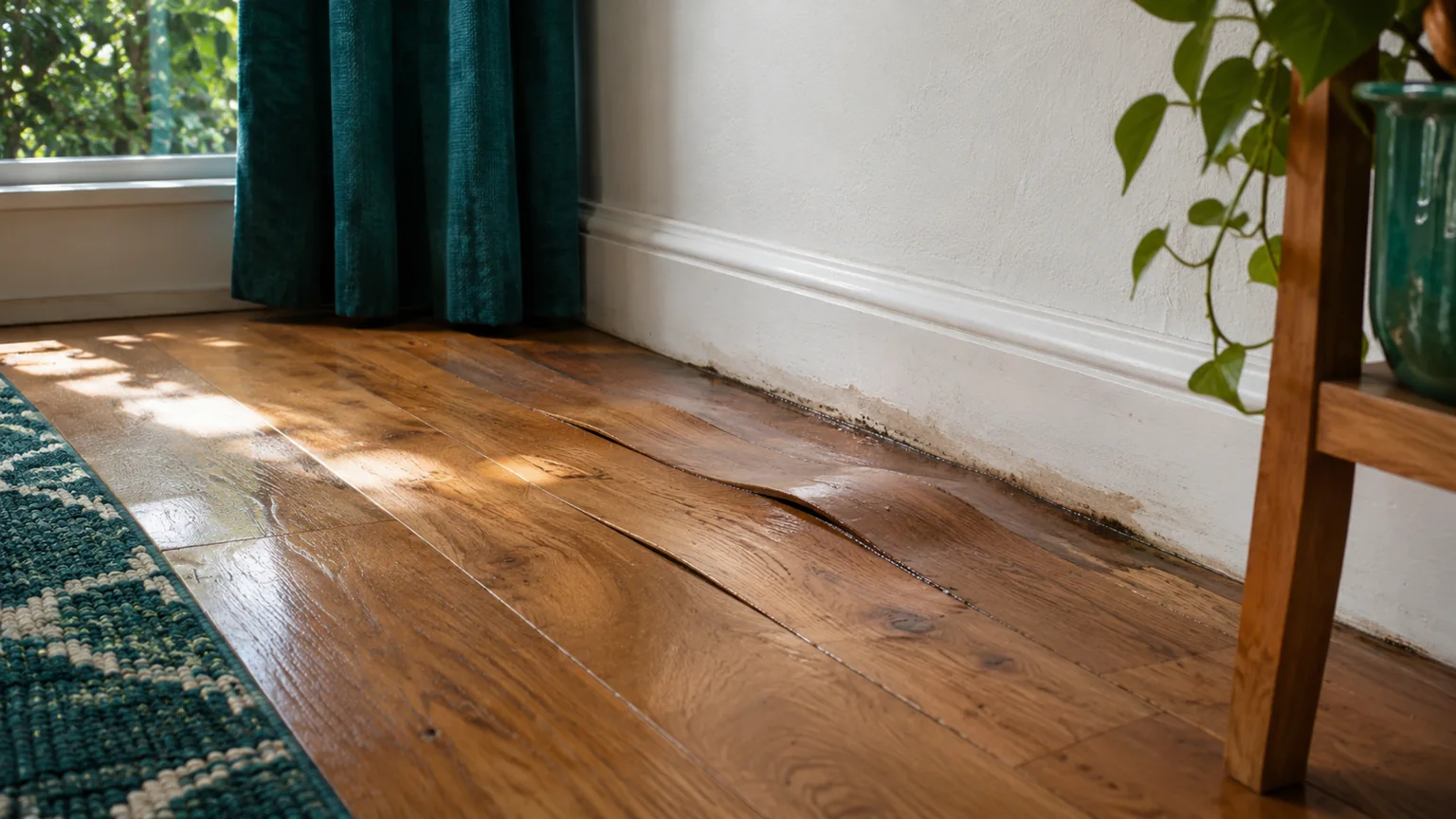
Floors & finishes
Ask whether moisture has reached the layers beneath the visible surface, and what determines whether materials can be dried.
 Priority Water DamageRemoval · cleanup · drying
Water where it should not be? Understand removal, cleanup and drying, then discuss a plan for your home with an independent service provider.
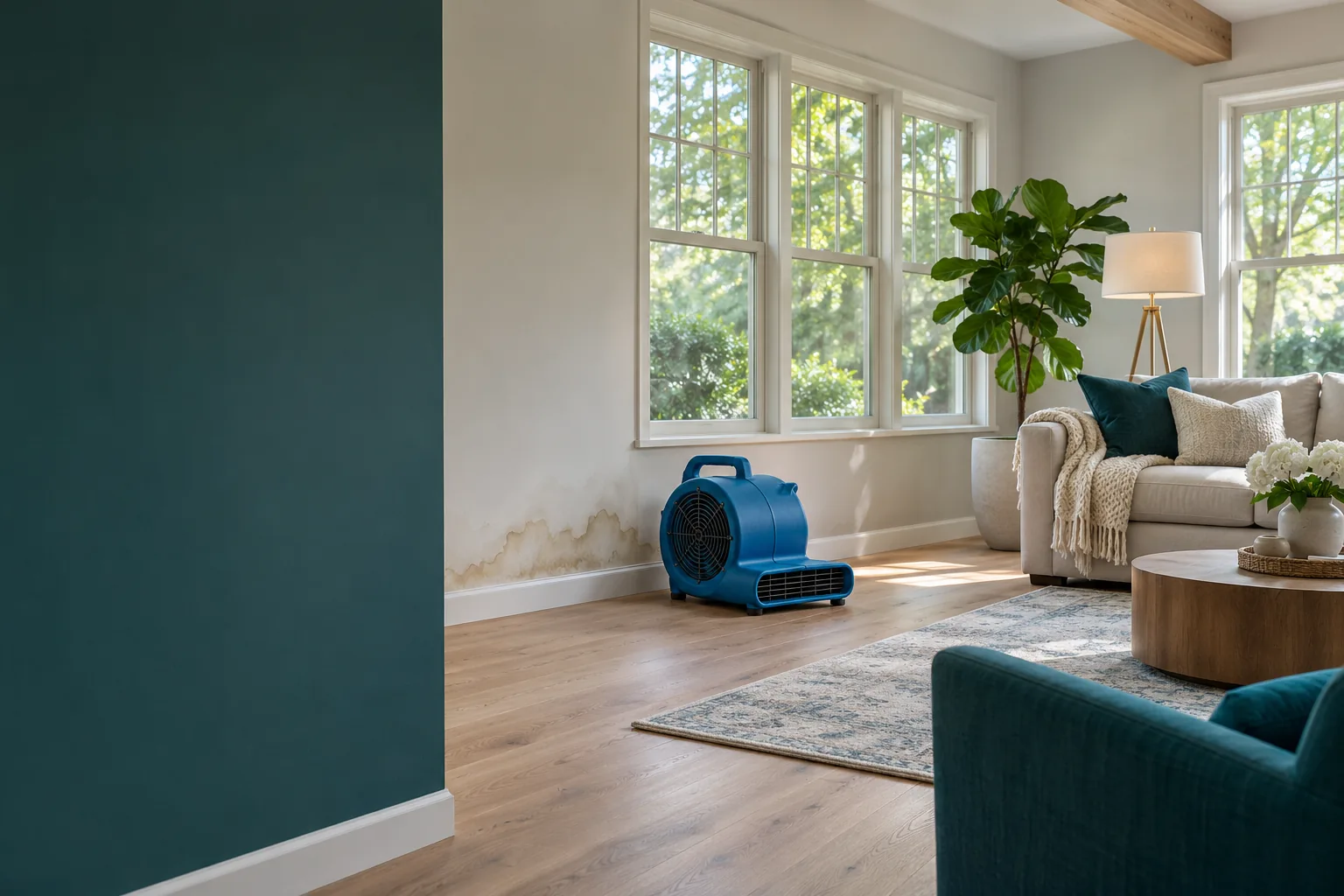
A supply leak. Wet flooring. Water in a room below. Start with the problem you can see, then ask the questions that help reveal what comes next.
 01
Understand water extraction, removal of standing water and the assessment that guides the next steps.
Explore service 02
Plan the cleanup of affected rooms, materials and belongings after a water incident.
Explore service 03
Learn how moisture assessment, equipment and follow-up fit into a drying plan.
Explore serviceDiscuss fire-damaged materials, affected rooms and the cleanup scope after the property is cleared for access.
Explore the serviceUnderstand mold removal and remediation, and clarify whether an inspection or testing is part of the proposed service.
Explore the serviceDiscuss sewage, biological waste and qualifying hoarding cleanup. Needle disposal is excluded; confirm the specific conditions with the provider.
Explore the service
Water can travel beyond the visible mark. A useful assessment considers the source, the materials and the conditions in your home.
Share when you noticed the water, whether it is still entering, and which rooms are affected.
Ask what removal, cleanup and drying include, and which repairs need a separate specialist.
Confirm availability, charges and a written scope before authorizing work.
Explore water removal, cleanup and drying alongside fire damage removal, mold removal and biohazard cleanup. Each requires its own assessment and scope.
Prepare to discuss affected materials, assessment limits, monitoring and the repair handoff.
Ask the provider about your exact address and timing. A directory listing is not an arrival guarantee.

You do not need to know every answer before calling. Start with what you can safely observe, then ask the provider to explain the proposed work.
Share your ZIP, the water source, when you noticed it and the rooms affected. Explain any safety concerns before discussing a visit.
Ask which materials need attention, what removal and drying include, and whether another specialist is needed for source repairs.
Confirm availability, written charges, monitoring and how changes will be approved. Keep the scope and completion records together.
A useful conversation starts with the part of your home affected. These illustrative scenes explain what to discuss; they are not completed local projects.
Ask whether moisture has reached the layers beneath the visible surface, and what determines whether materials can be dried.
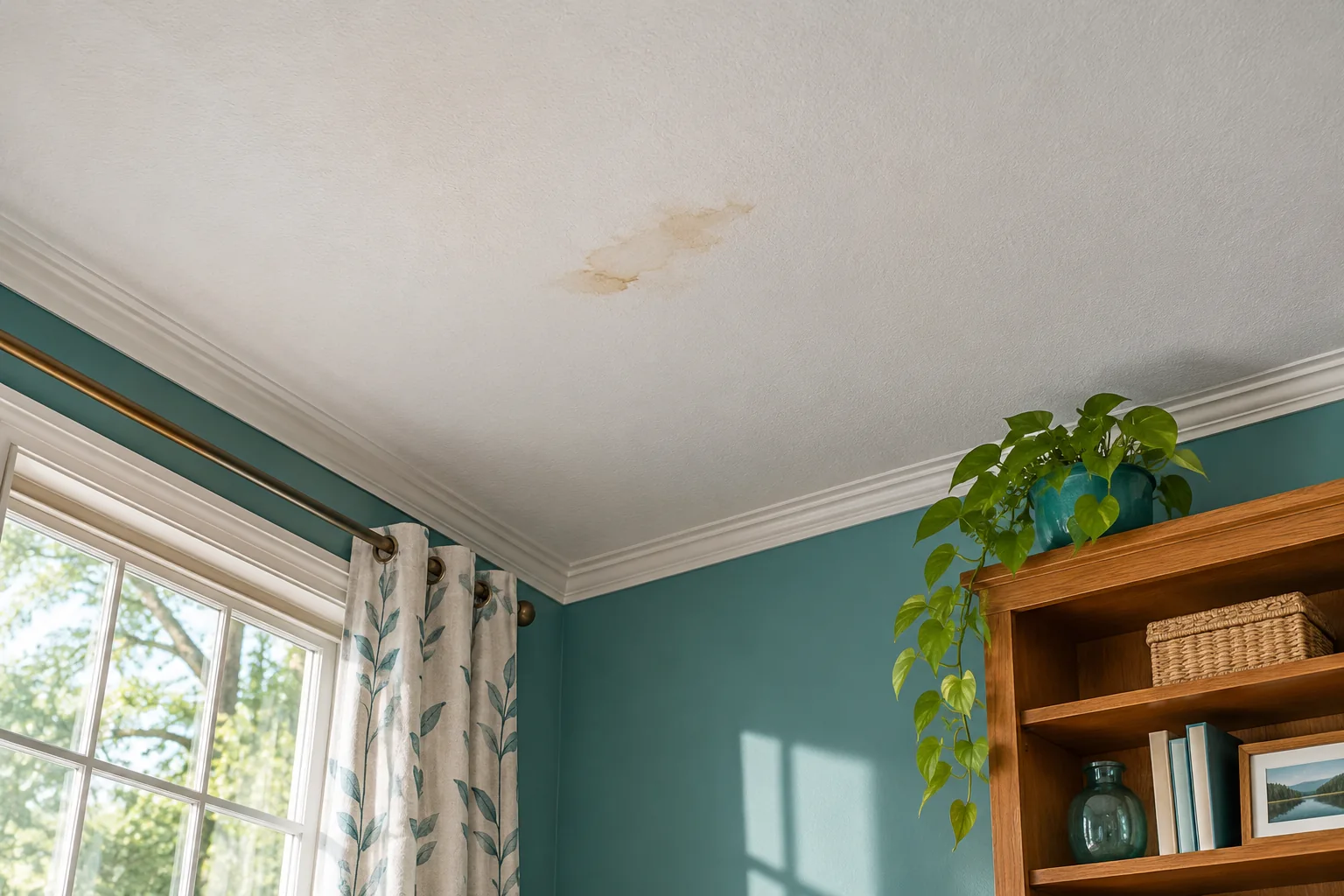
Describe staining, swelling or dripping from a safe location. Ask how concealed areas will be assessed and who handles repairs.
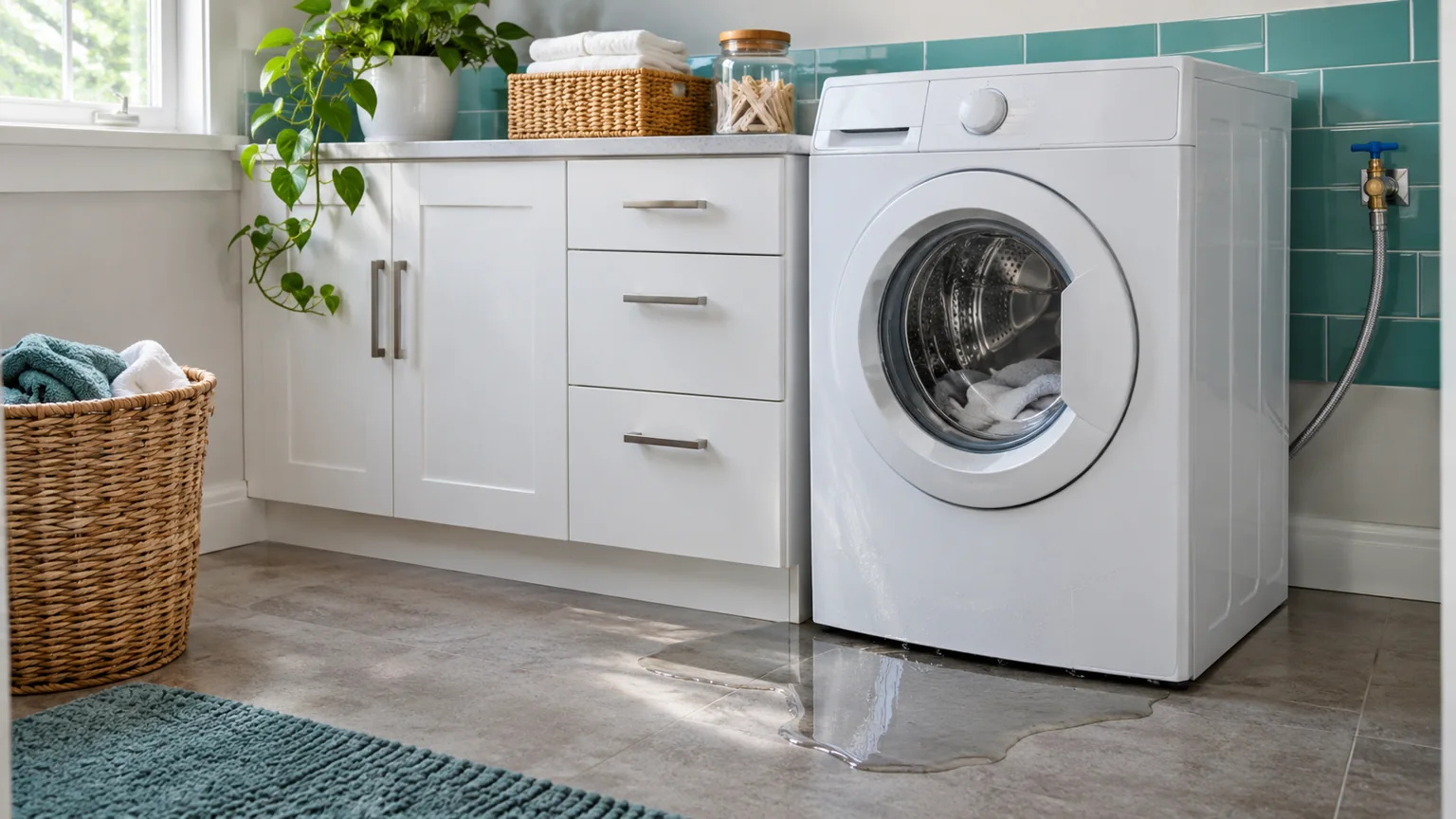
Tell the provider whether water is still entering. Source repairs and restoration may need separate trades and written scopes.
Explore city guides, selected ZIP coverage and the questions to ask about your home.
Browse all service areas Provider availability is confirmed for your address.Shelby · 31 selected ZIPs
Explore removal & dryingAR · ZIP 72209Pulaski · 12 selected ZIPs
Explore removal & dryingAZ · ZIP 85032Maricopa · 42 selected ZIPs
Explore removal & dryingCA · ZIP 90011Los Angeles · 63 selected ZIPs
Explore removal & dryingCO · ZIP 80219Denver · 39 selected ZIPs
Explore removal & dryingCT · ZIP 06606Greater Bridgeport · 6 selected ZIPs
Explore removal & dryingDE · ZIP 19805New Castle · 10 selected ZIPs
Explore removal & dryingFL · ZIP 33647Hillsborough · 27 selected ZIPs
Explore removal & dryingUnderstand the service, the scope and the next step for your home.
Prepare for your conversationDiscuss your exact ZIP, the water source and the rooms affected with the provider. A listed service area is targeting information, not a guarantee that a provider is available for your address or at a particular time.
Describe when you first noticed the water, whether it is still entering, the approximate affected area, and any electrical or structural concerns. Mention sewage, outdoor floodwater or visible mold at the start; those conditions may need a different specialist.
Removing visible water is one stage. Moisture can remain in flooring, walls and other materials. Ask how the provider will assess those materials, plan drying and check progress before equipment is removed.
The provider determines availability, visit charges, assessment requirements and the proposed scope. Ask for written pricing and the expected next step. This referral site does not promise a fixed price, arrival time or insurance outcome.
No. This is a referral service that may connect callers with independent providers. The provider, not this website, is responsible for its services and terms.
Start with your exact ZIP in your area, the source and affected rooms. For emergency water damage, explain whether water is still entering and any immediate hazards. Confirm provider availability; no arrival time or 24-hour dispatch is promised.
The affected area, water source, material access, removal, drying, disposal and repair scope can change a proposal. Request written charges and clarify what is excluded. No fixed price or insurance payment is promised.
Ask whether the visit includes a visual assessment, moisture investigation, sampling or a written report. Mold inspection cost and mold removal charges may be separate. Confirm local acceptance and timing, including any emergency mold inspection request.
A water heater leak may require both appliance repair and water-damage cleanup. Ask a suitable provider about water heater installation or repair cost and availability. Emergency water heater work is a separate scope, not automatically included in extraction or drying.
